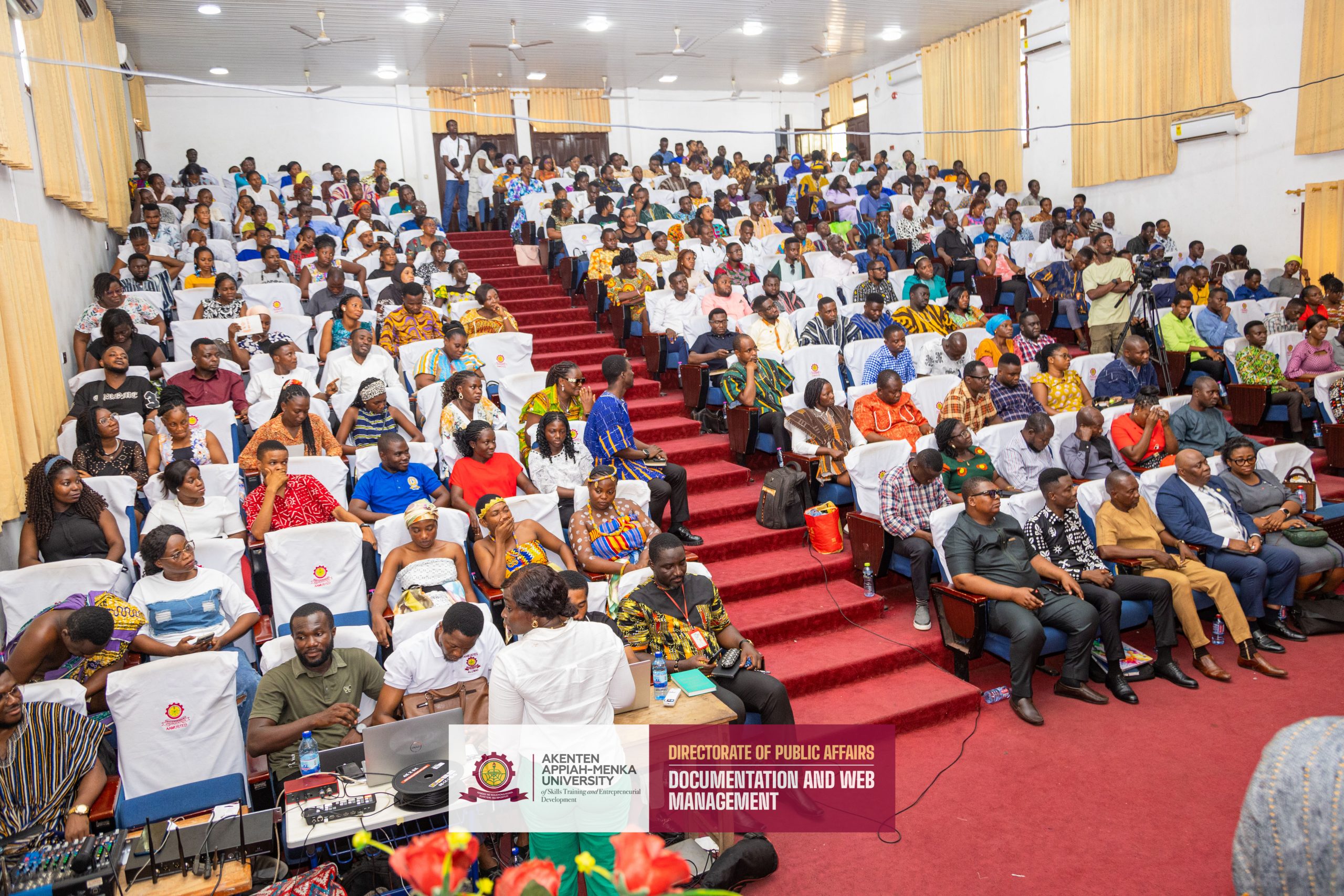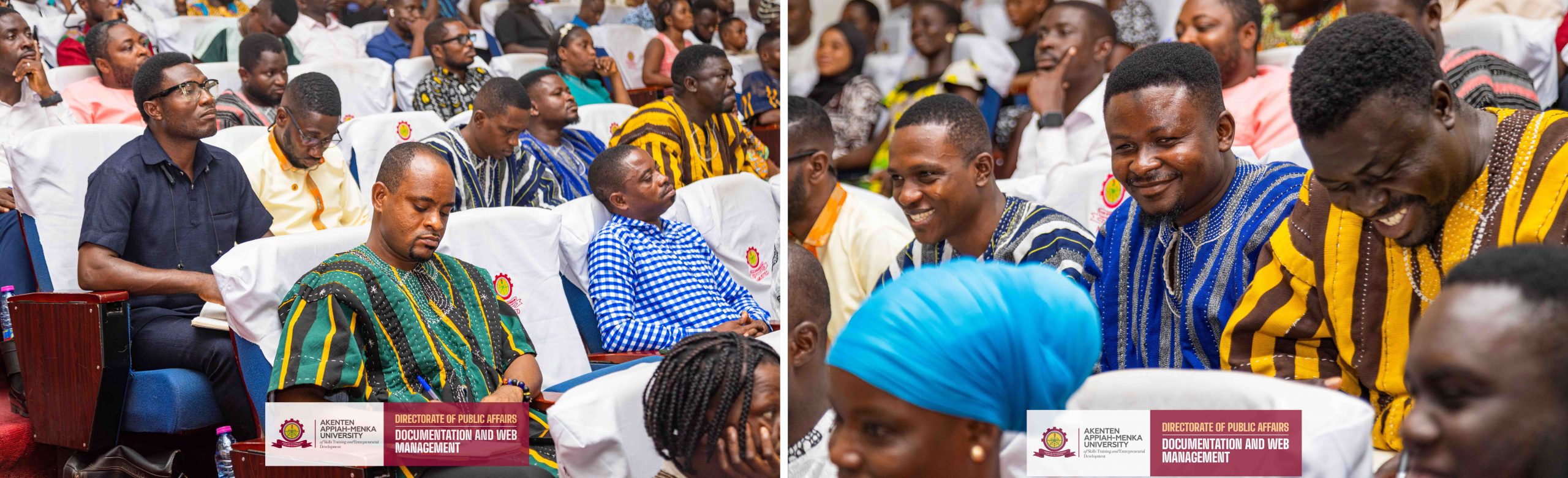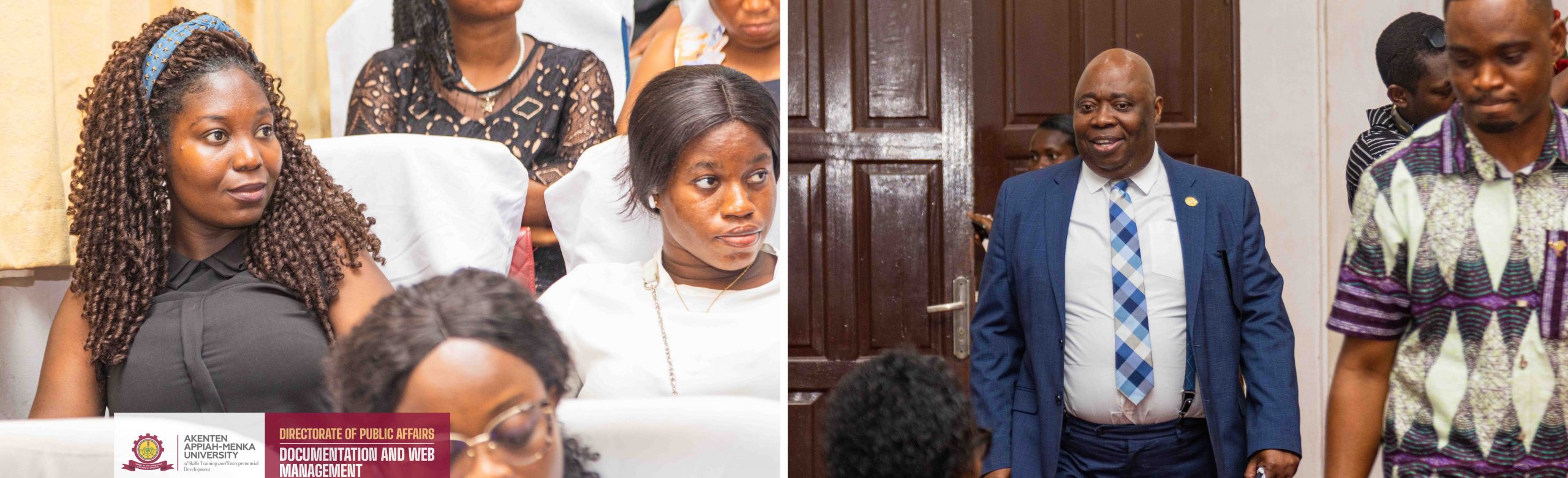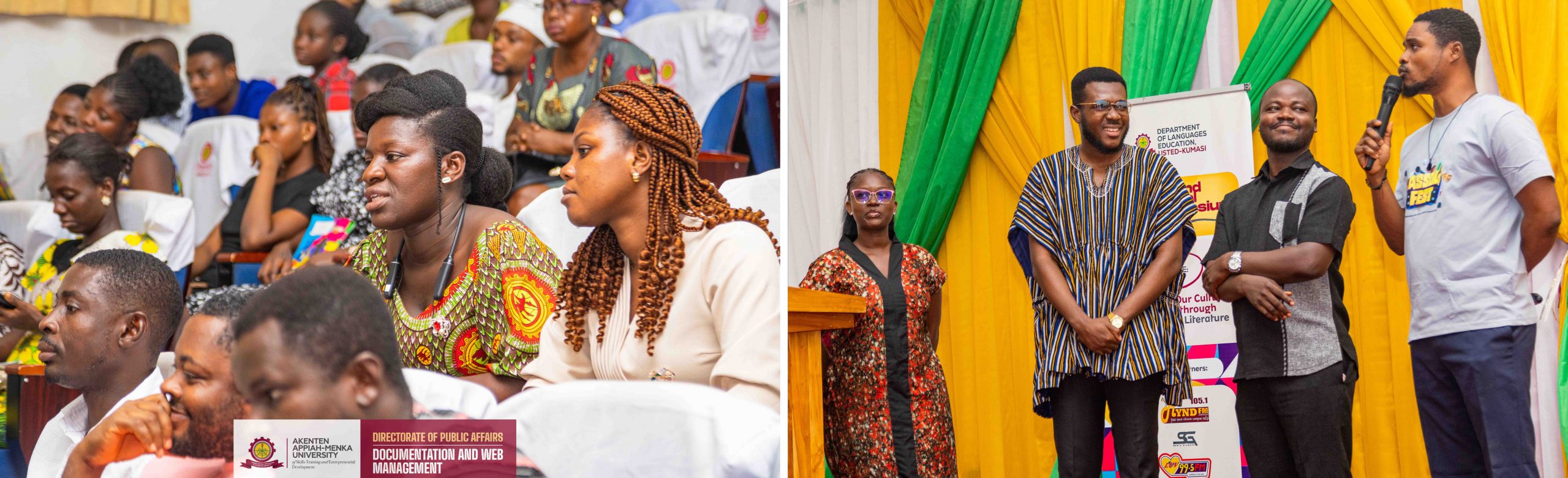
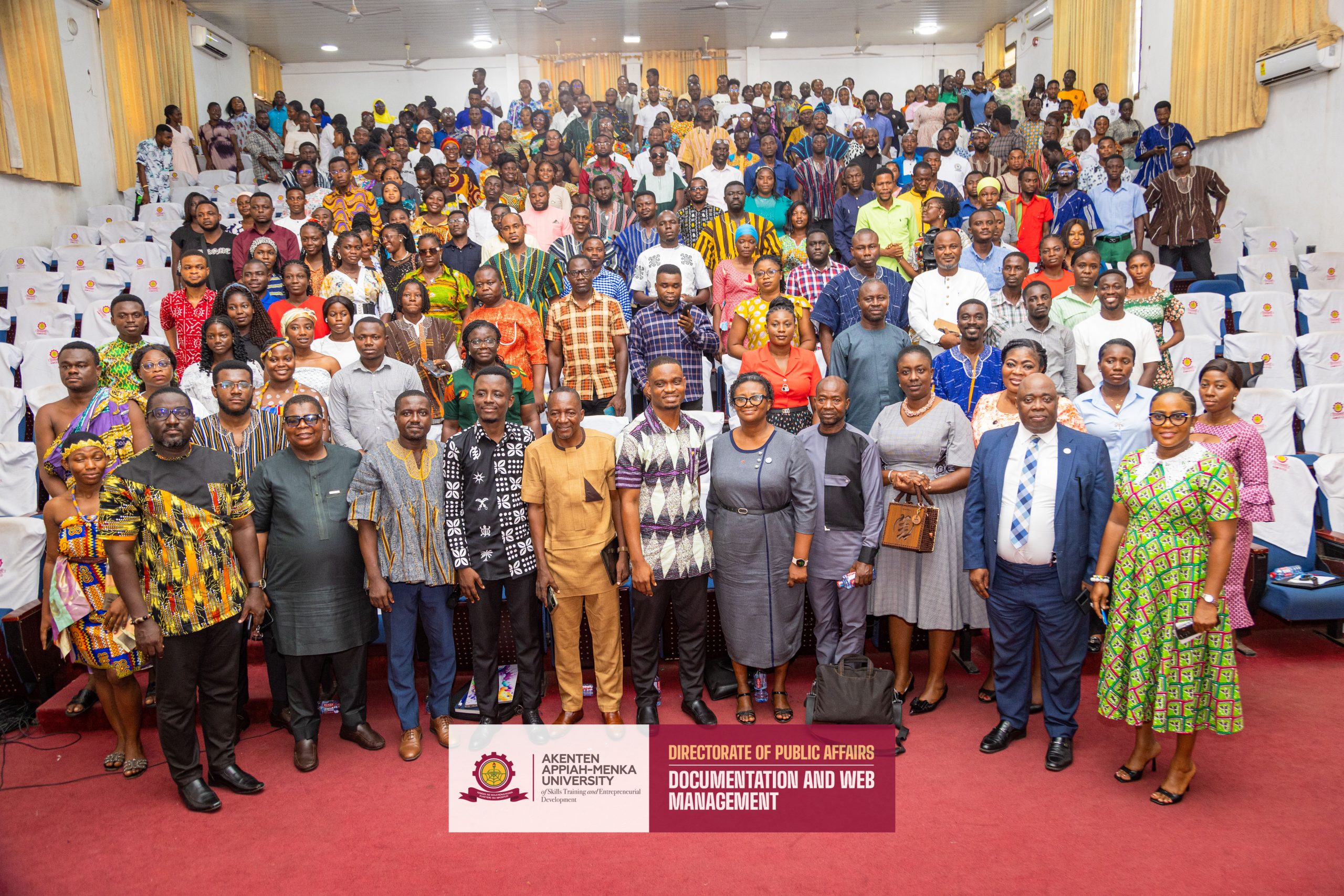
The Department of Languages Education (DLE) under the Faculty of Education and Communications Sciences (FECS), at the University of Skills Training and Entrepreneurial Development (USTED), has successfully held its Second Annual Symposium, bringing to the fore, growing concerns about the gradual disappearance of minority languages in Ghana.
Held under the theme – “Sustaining Our Cultural Heritage Through Language and Literature,” the March 12, 2026 Symposium created the opportunity for members of staff, students, researchers, and invited guests to engage in frank and thought-provoking conversations about the relationship among language, literature, and cultural survival in Ghana.
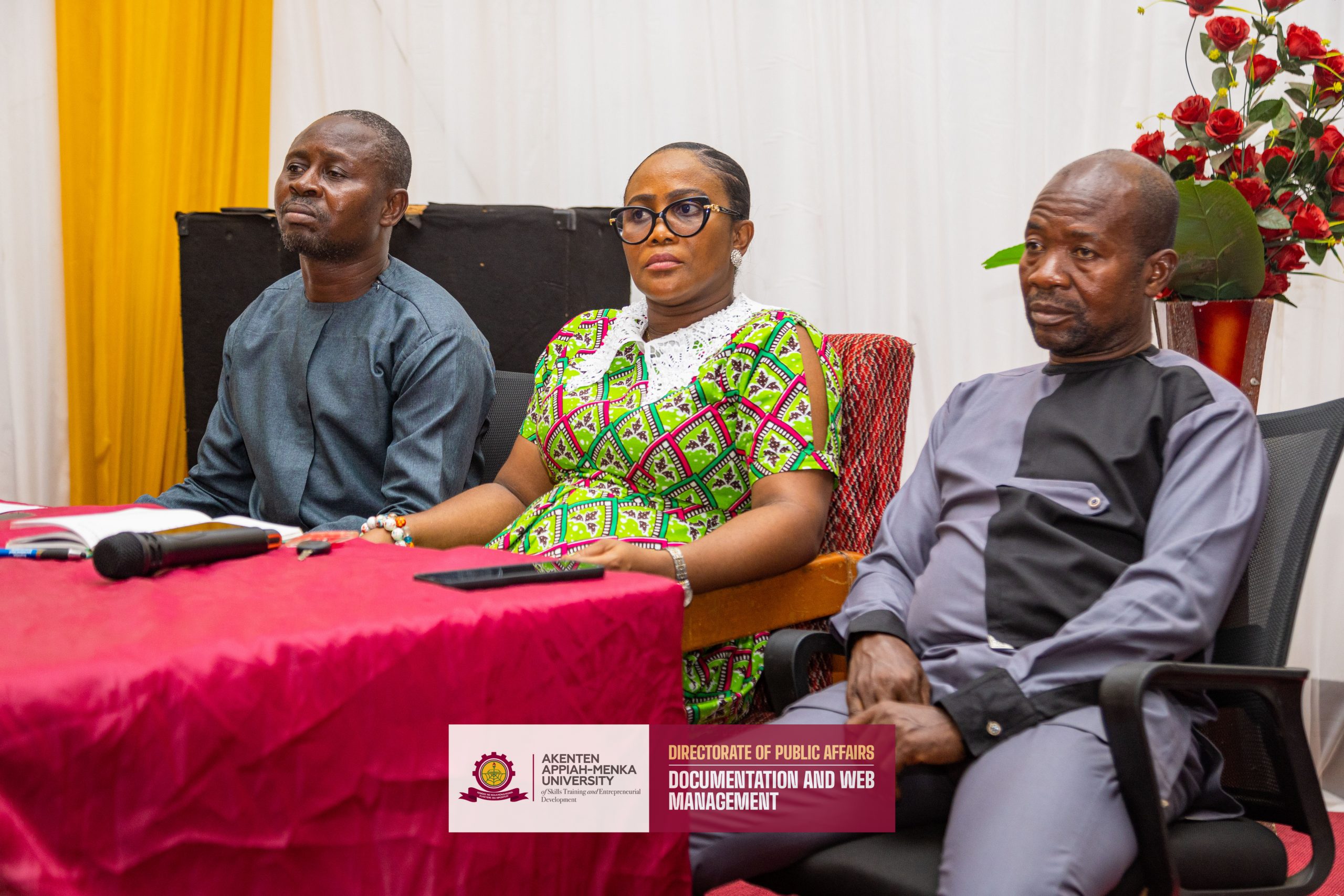
The Dean of FECS, Prof. Faith Ben-Daniels, welcoming participants to the symposium, advocated for a conscious effort to improve existing educational and training systems in ways that would remove barriers to the growth of traditional native literature and language.

She also encouraged sustained and practical actions that could help learners and educators better understand, value, and connect Western and African Literature so both Literatures can be equally understood, taught, and appreciated. That, she said, would help new and upcoming writers to strategically position their works for global acceptance and minimise the impact of alienating the culture and literature of Africans.
Dr. James Nsoh Adogpa, Senior Lecturer at the DLE, making a presentation on the topic – “Dying Voices, Living Struggles: Linguistic Identity and Cultural Survival in the Ghanaian Multilingual Context,” observed that although Ghana is multilingual, not all languages occupied the same space.

He explained that Twi and the English languages had overshadowed the seemingly smaller languages and that was the case because many of the minority languages lacked structured teaching materials and are rarely integrated into formal educational systems. He, thus, advocated for stronger institutional support to protect the minority languages from being pushed further to the margins.
He also encouraged communities to actively preserve their linguistic heritage through documentation, digital archiving, and most importantly, everyday use within families and communities.
For his part, Rev. Dr. Samuel Aduse-Poku, Lecturer at the DLE drew attention to the fact that modern African literature reflected a hybrid reality, where traditional values coexisted with global influences, as he made a presentation on “Blurred Lines: African Literature and the Dilemma of Representing Evolving Cultures.”
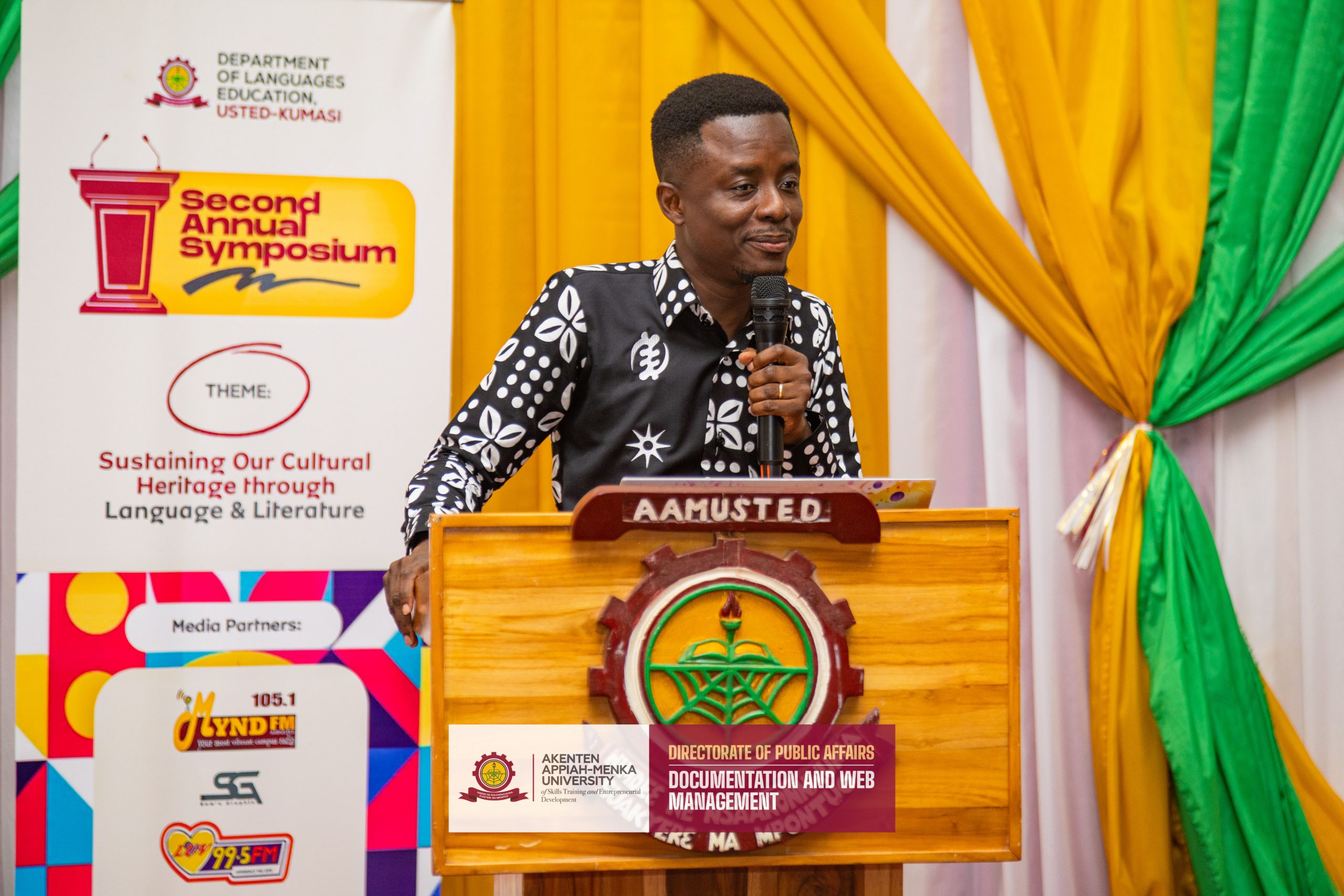
Rev. Dr. Aduse-Poku argued that literature must be allowed to evolve naturally, urging that cultural change should not be seen as a loss of identity but as evidence of cultural vitality.
Meanwhile, he encouraged the participants to collaborate and fashion effective actions that could contribute to what defines them as Africans by writing consciously to maintain African culture, and patronise locally-bred papers that reflect time and cultural heritage.
Dr. Jonathan Essuman, Head of the DLE, officially launched a new student group called the USTED Literary Guild. He explained that the Guild would serve as a platform for promoting creative writing skills among students.
Gallery