
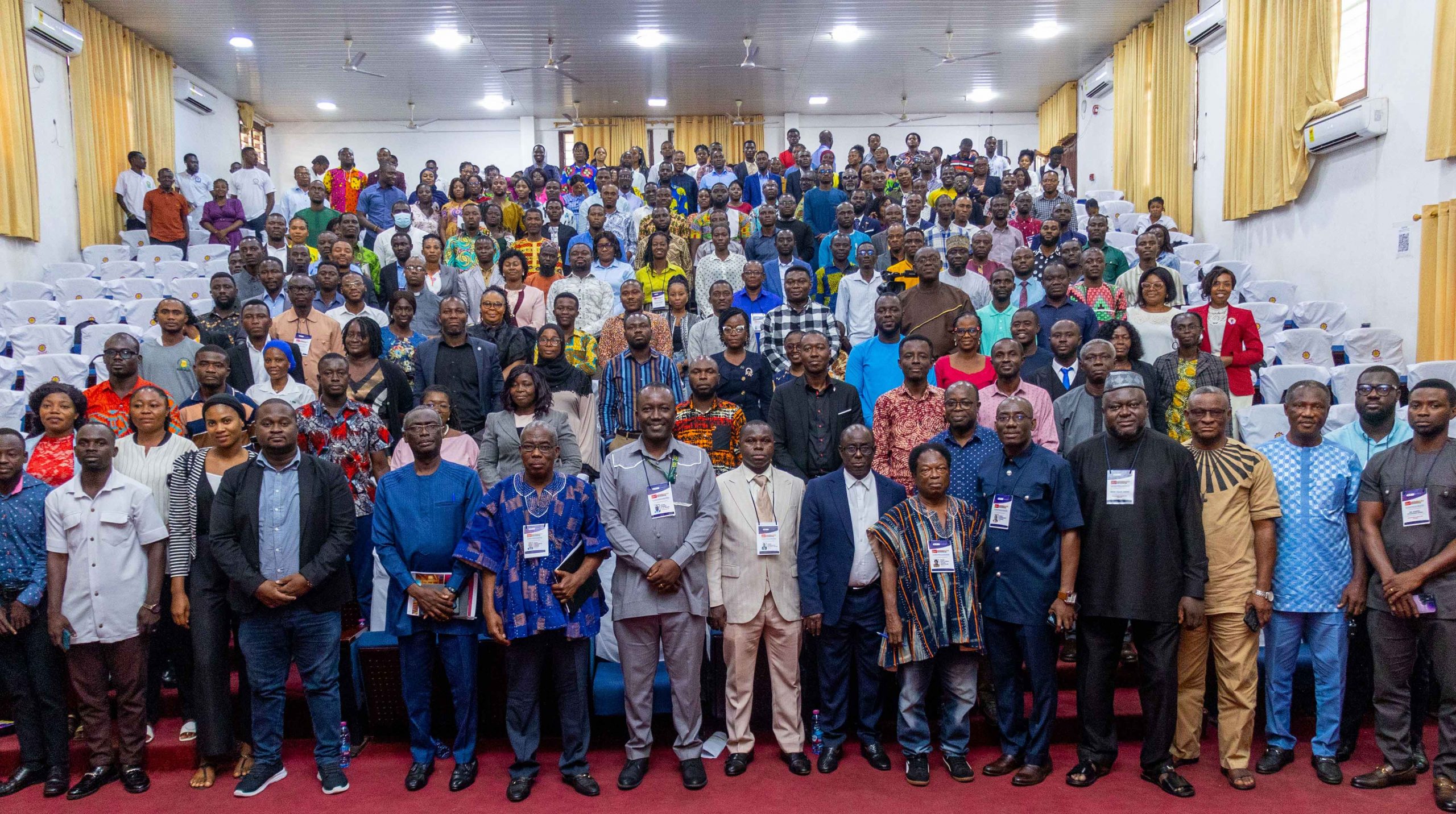
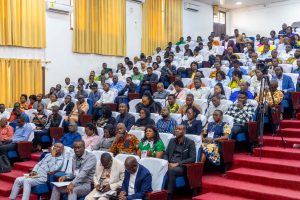
The School of Graduate Studies (SGS) of the Akenten Appiah-Menka University of Skills Training and Entrepreneurial Development (AAMUSTED) has organised its second Postgraduate Research Conference, encouraging the youth especially students to harness the vast potential of Artificial Intelligence (AI) towards an expeditious attainment of the Sustainable Development Goals (SDGs).
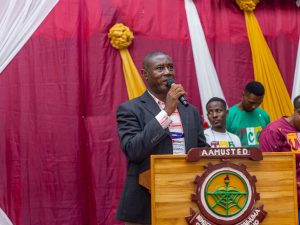
Speaking at the Conference, held from August 6 to 7, 2025, on the theme “Artificial Intelligence and Higher Education in Achieving the Sustainable Development Goals,” the Vice-Chancellor of AAMUSTED, Prof. Frederick Kwaku Sarfo, highlighted the advantages of AI and emphasised its significant role in shaping the modern world.
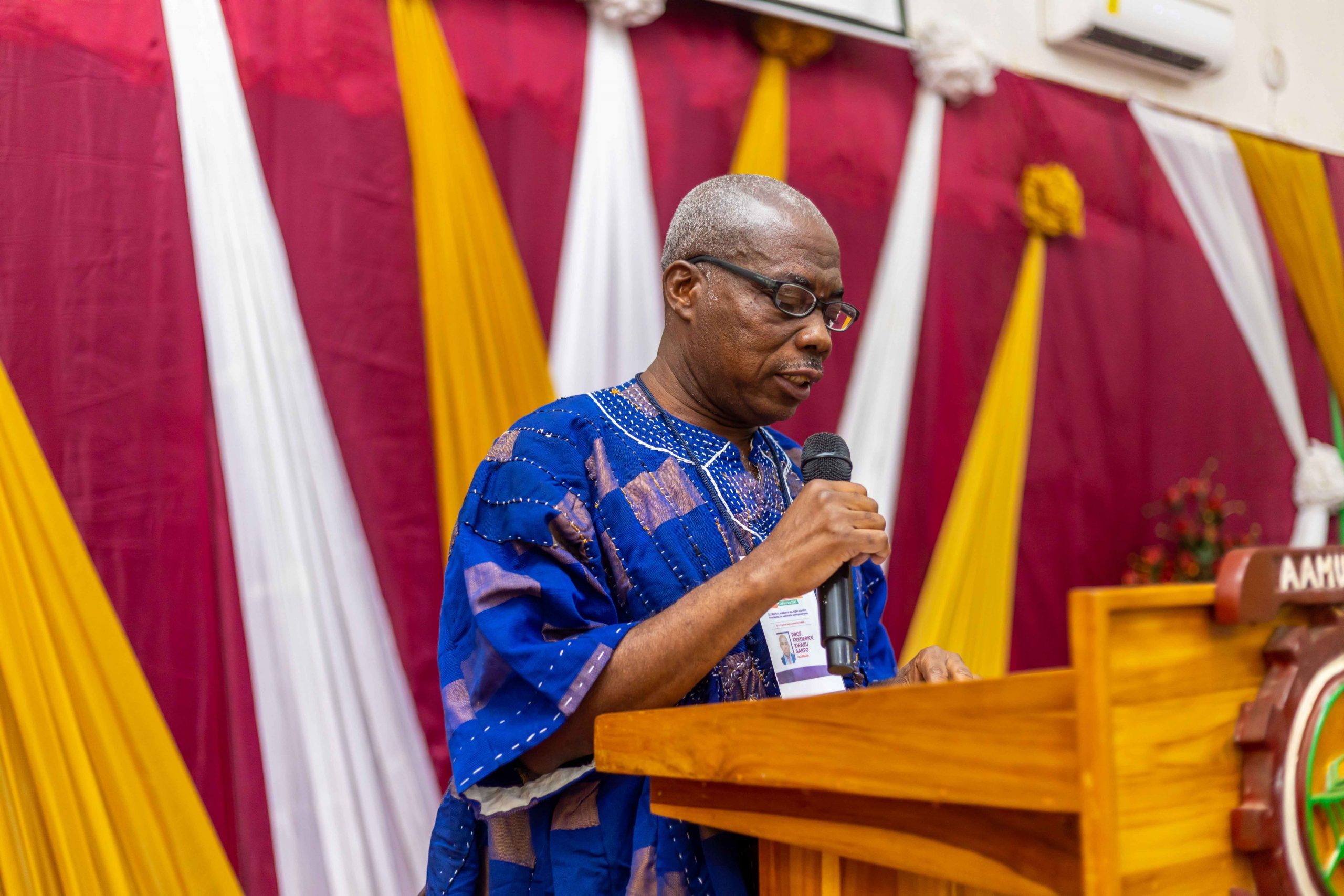
He, however, urged participants not to allow debates surrounding the potential disadvantages of AI to overshadow its purposeful application. Rather, Prof. Sarfo encouraged them to adopt AI tools, such as Generative AI (GenAI), to enhance the impact of their research in key areas like education and health, which in his view, are core anchors of a country’s socio-economic advancement.
He further underscored the critical role that AI can play in advancing the attainment of the SDGs, particularly when integrated into research to improve the quality of outcomes. In that regard, he called on faculty members to collaborate in equipping AAMUSTED students with the requisite competencies in AI to enable them to fully harness its potential.
The Vice-Chancellor highly commended the SGS for its unwavering commitment to organising the annual conference, an important component of AAMUSTED’s comprehensive plan to foster research excellence among students and staff to correspond with internationally recognised standards.
He therefore urged participants to take full advantage of the conference to strengthen their research capacities, not only for their personal and professional advancement but also for the overall benefit of the University and the nation. Furthermore, he encouraged the participants to collaborate effectively in positioning Ghana as a leading country on the continent pursuing and attaining the SDGs.
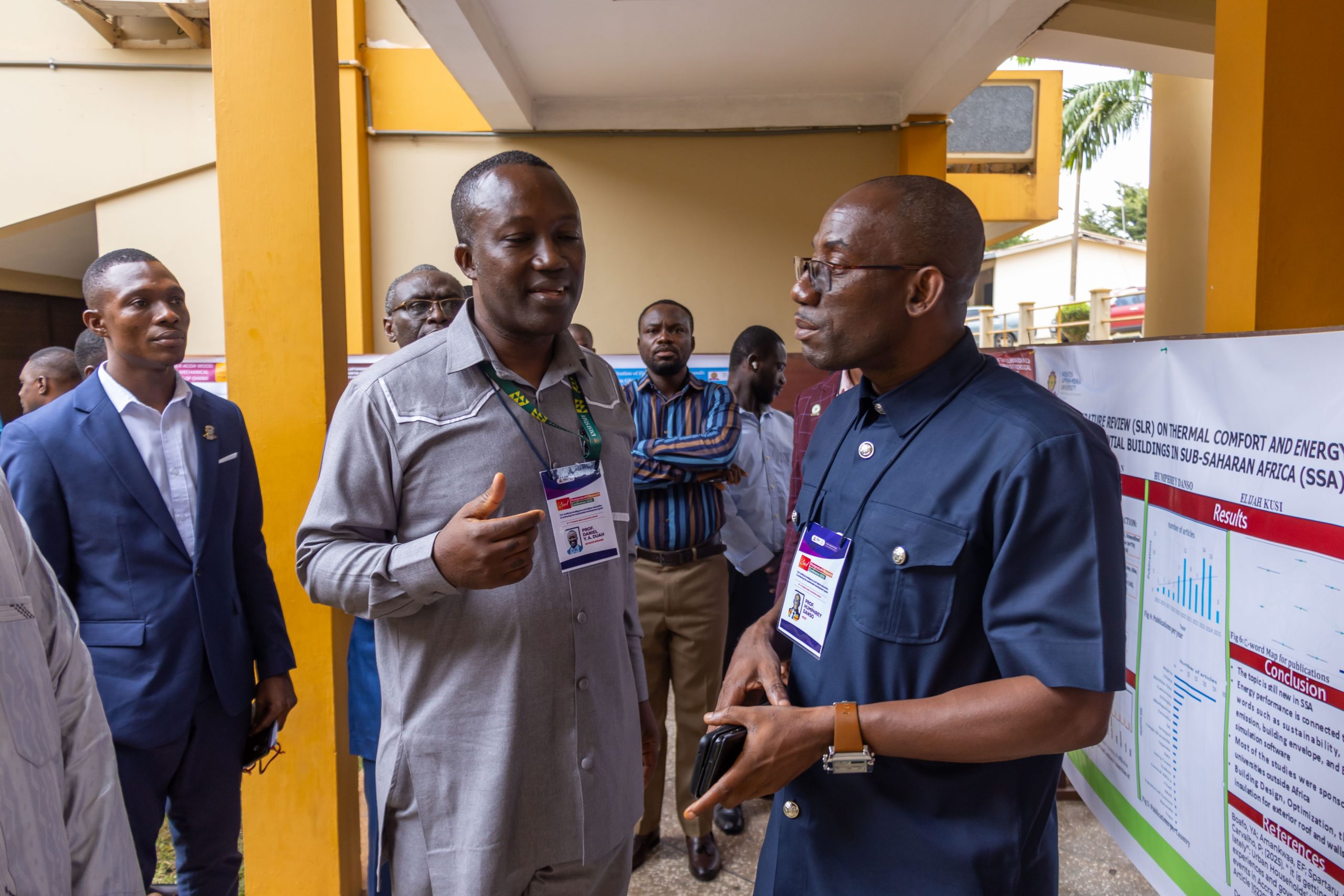
The Dean of the School of Graduate Studies (SGS), Professor Humphrey Danso, reiterated the critical role of AI in addressing the challenges encountered by marginalised groups in their bid to accessing higher education. He expressed optimism that the skills and entrepreneurial development training offered by AAMUSTED combined with the vast potential of AI would help bridge that gap. Prof. Danso also encouraged the participants to take advantage of the Conference to improve their research capacities for a gainful future.
Other keynote speakers at the conference were the Dean of the International Programmes, KNUST, Prof. Daniel Y. A. Duah; and former Vice-Chancellor of the University of Energy and Natural Resource (UENR), Prof. Harrison Dapaah.
|
|
|


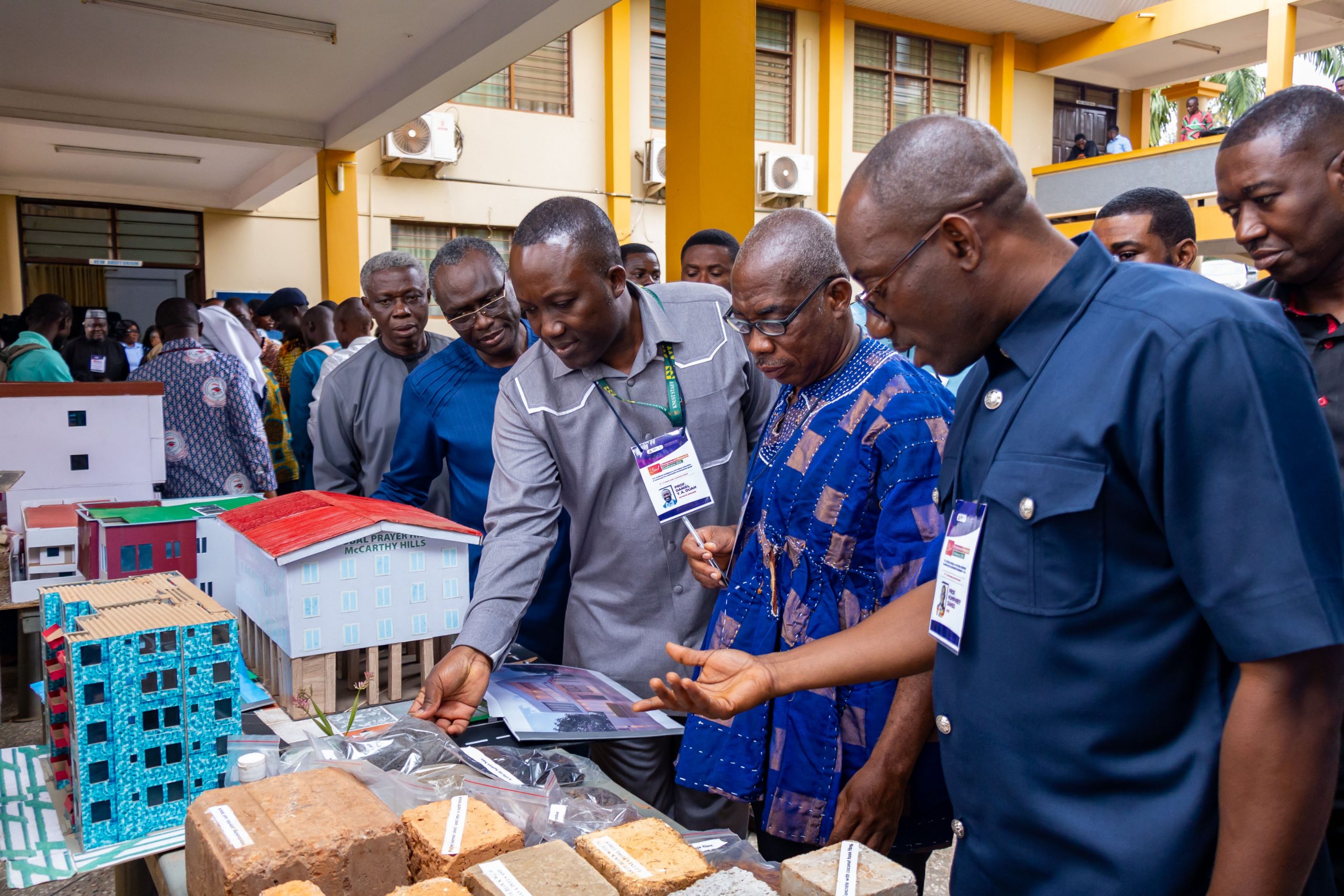
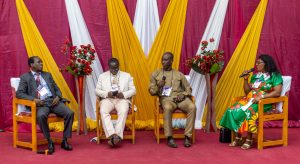
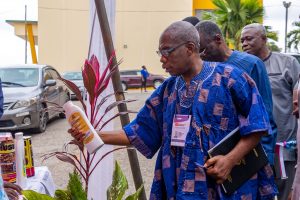
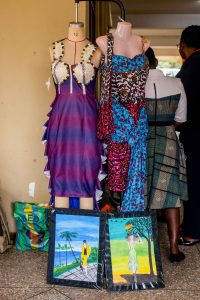
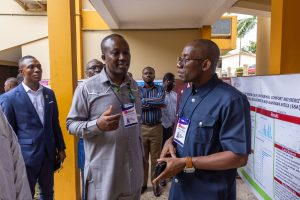
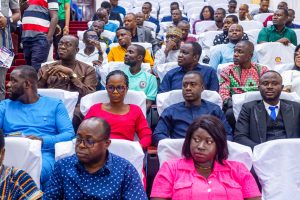
Activities at the Conference included insightful panel discussions, exhibition of products and wares produced by final-year postgraduate students, and an opportunity for students to compete in research poster and oral presentations, and best published papers.
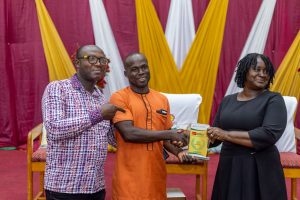
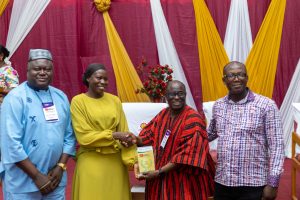
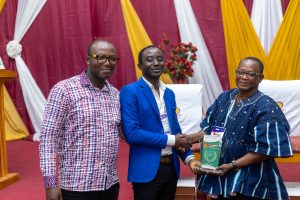
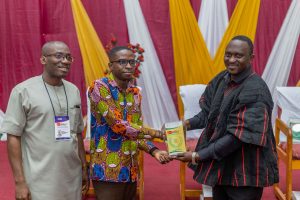
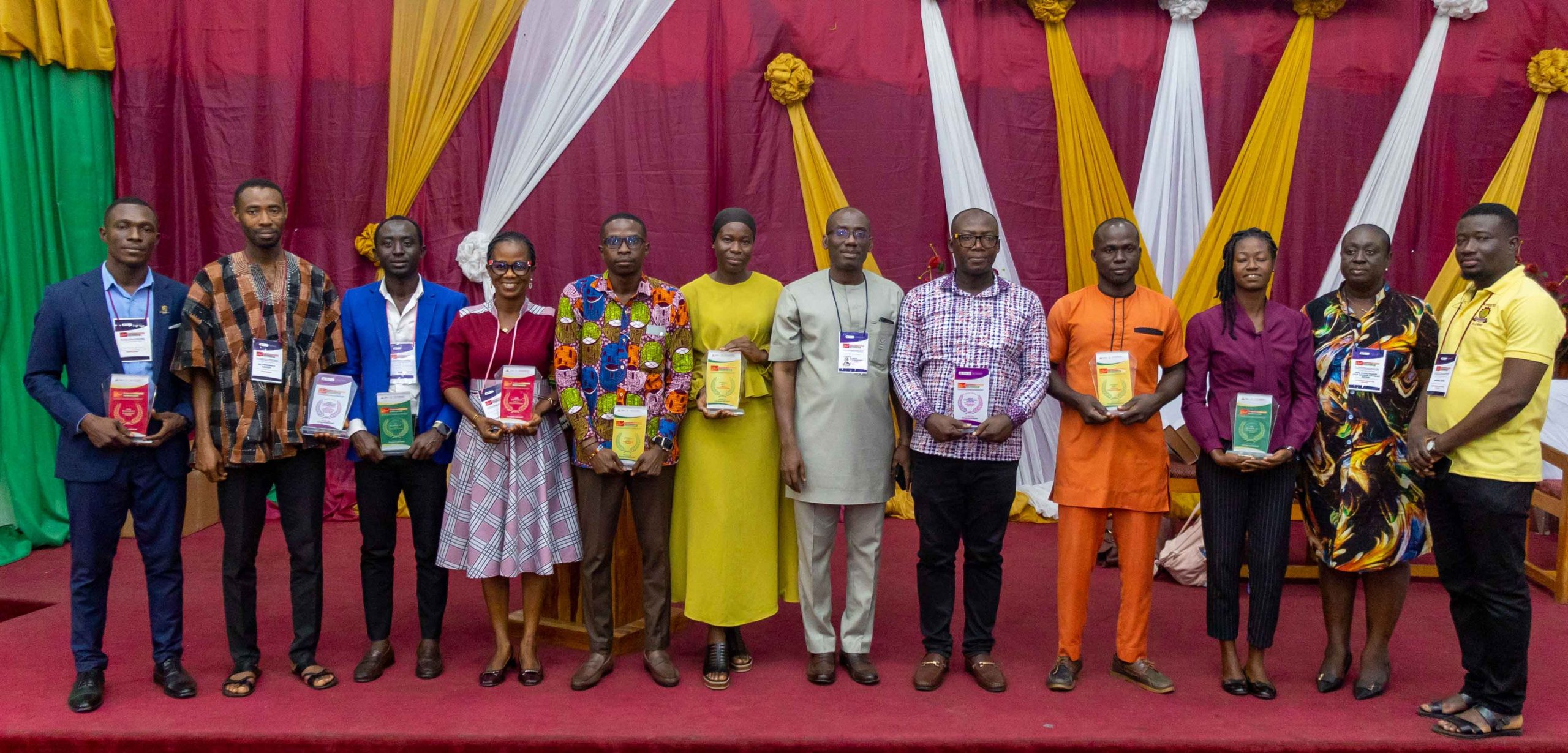
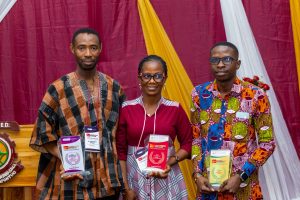
The top three deserving participants in each of the three categories were awarded special prizes for their exceptional contribution to research and knowledge development. Their names are listed below:
Poster Presentation Category
Musah Yakubu Saajji – 1st
Samuel Kwaku Armah – 2nd
K. Siabour – 3rd
 |
 |
Oral Presentation Category
Salifu Salimatu – 1st
Michael Darko Minta – 2nd
Mrian Mozu-Simpson – 3rd
 |
 |
Paper Publication Category
Nana Kwame Obeng-Ahenkora – 1st
Anita A, Appiah-Adjei – 2nd
J. Adomako – 3rd
 |
 |
 |
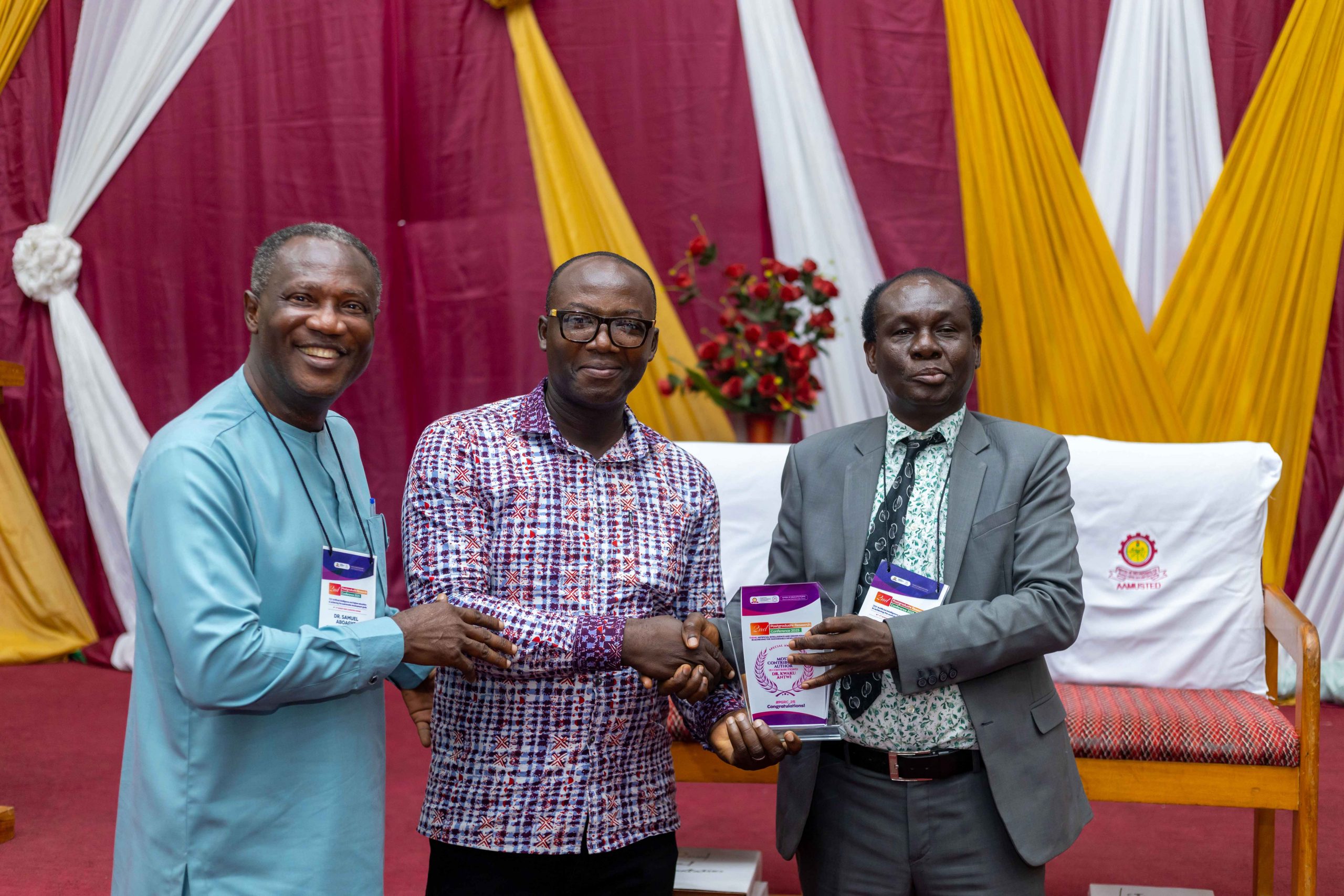
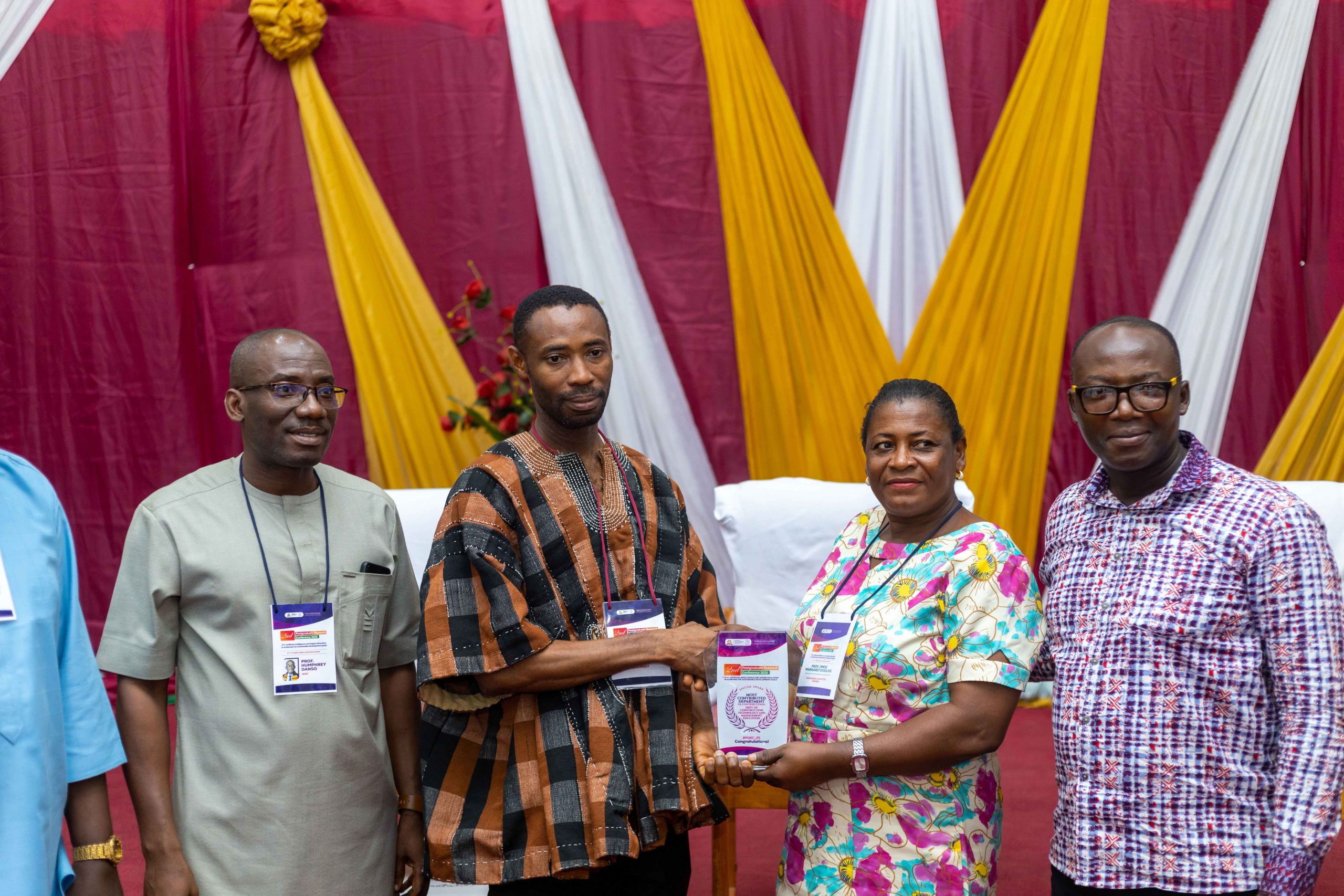
Special awards were also presented to Dr. Kwaku Antwi, a Lecturer at AAMUSTED, who was recognised as the Most Contributing Author with eight (8) paper submissions, and to the Department of Construction Technology and Management Education, which was acknowledged as the Most Contributing Department with sixteen (16) submissions at the Conference.
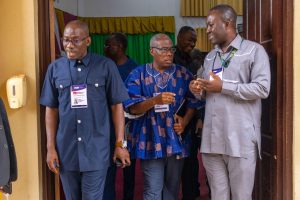
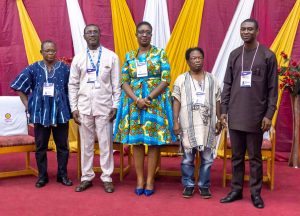
Gallery of actions that marked the 2-day event
 |
 |
 |
 |
 |
 |
 |
 |
 |
 |
 |
 |
 |
 |
 |