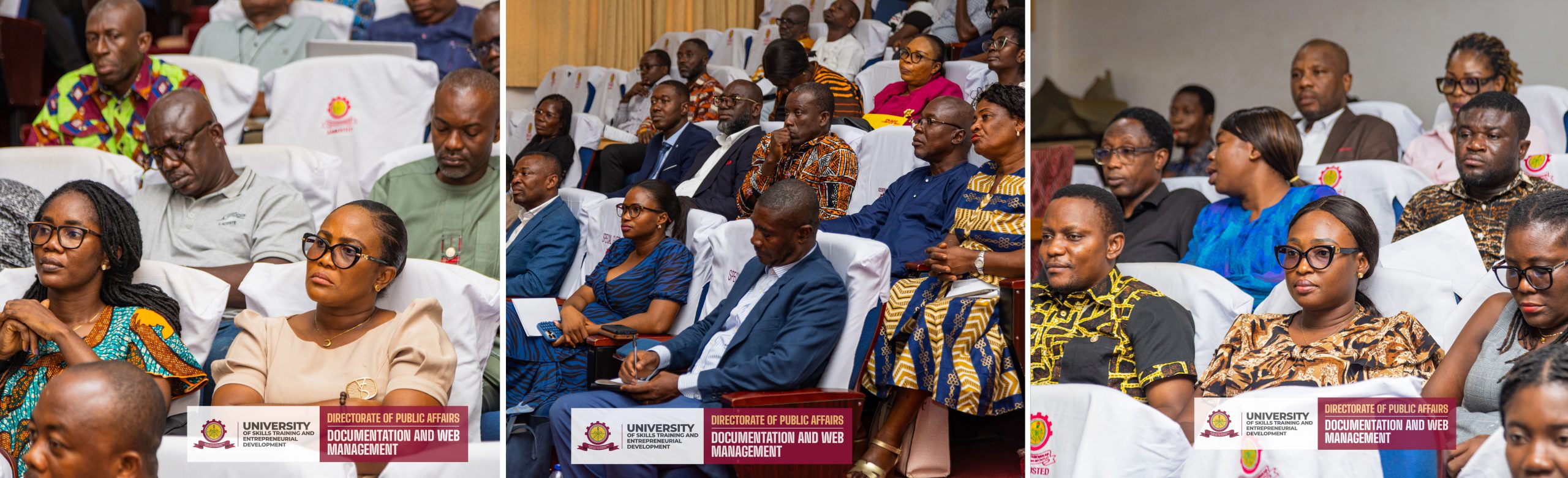
The University of Skills Training and Entrepreneurial Development (USTED) has launched a special capacity-building programme to prepare its teaching staff ahead of the implementation of the new Bachelor of Education (B.Ed) Teacher Education programmes.
The new B.Ed. programmes are mainly updated versions of the existing curricula, fully aligned with approved standards that serve as the national blueprint for preparing competent and reflective teachers. These programmes aim to prepare educators to deliver high-quality education in Ghanaian schools, in line with the national education reform agenda. The guiding standards include the National Teachers’ Standards (NTS), the National Teacher Education Curriculum Framework (NTECF), and the National Teacher Education Assessment Policy (NTEAP).
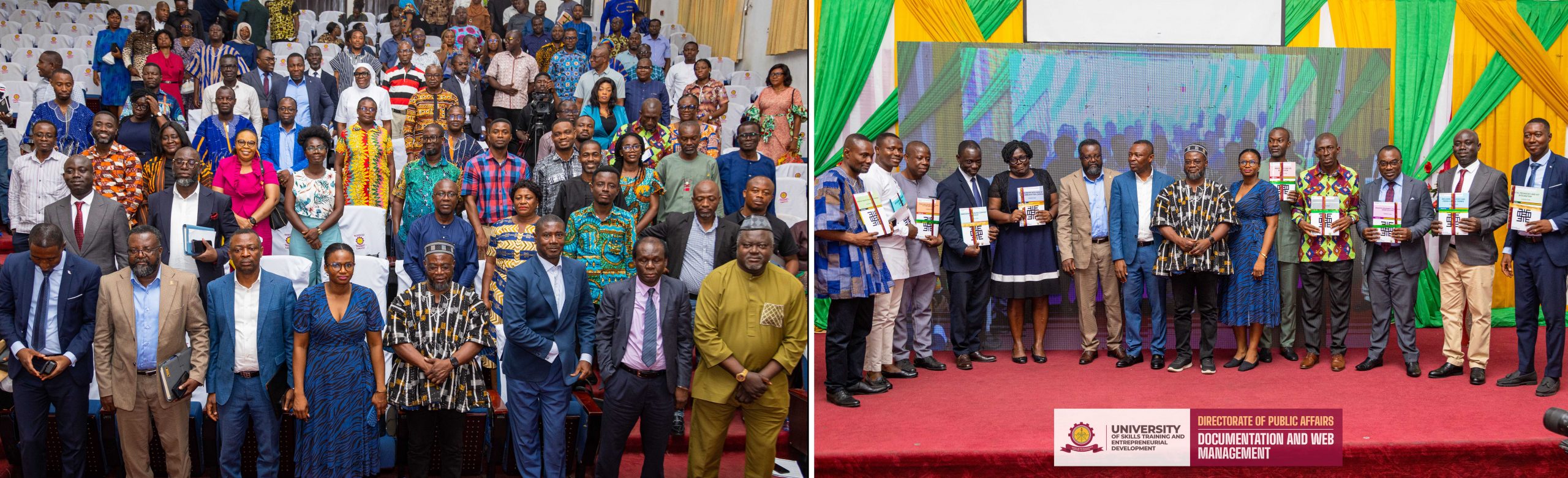
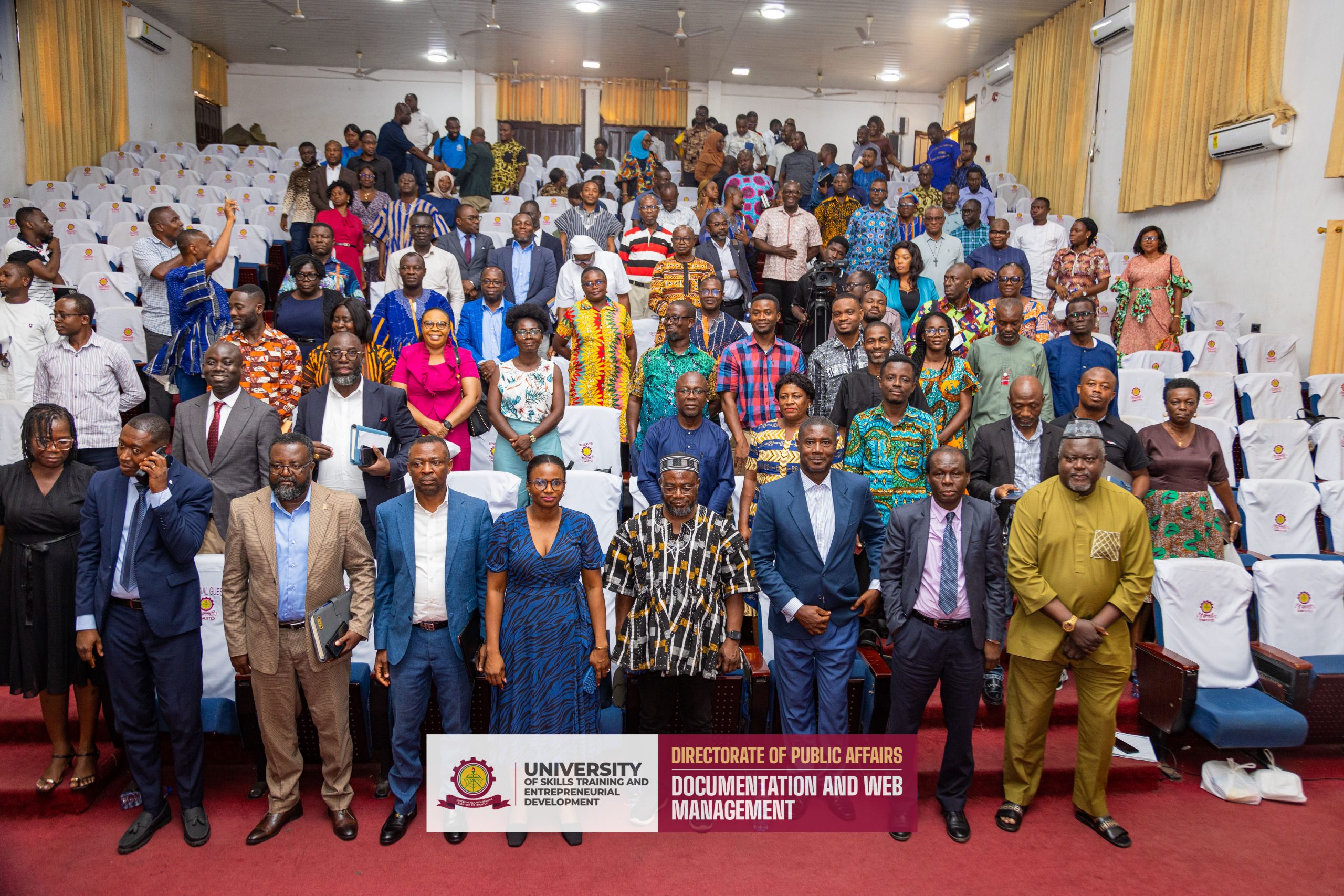
To strengthen institutional readiness and ensure the effective delivery of the revised B.Ed. programmes, the Ghana Tertiary Education Commission (GTEC) collaborated with teacher education universities across the country to develop a set of Continuous Professional Development (CPD) support modules. These modules are aimed at equipping academic staff through a capacity-building programme, which was launched at USTED on March 18, 2026.
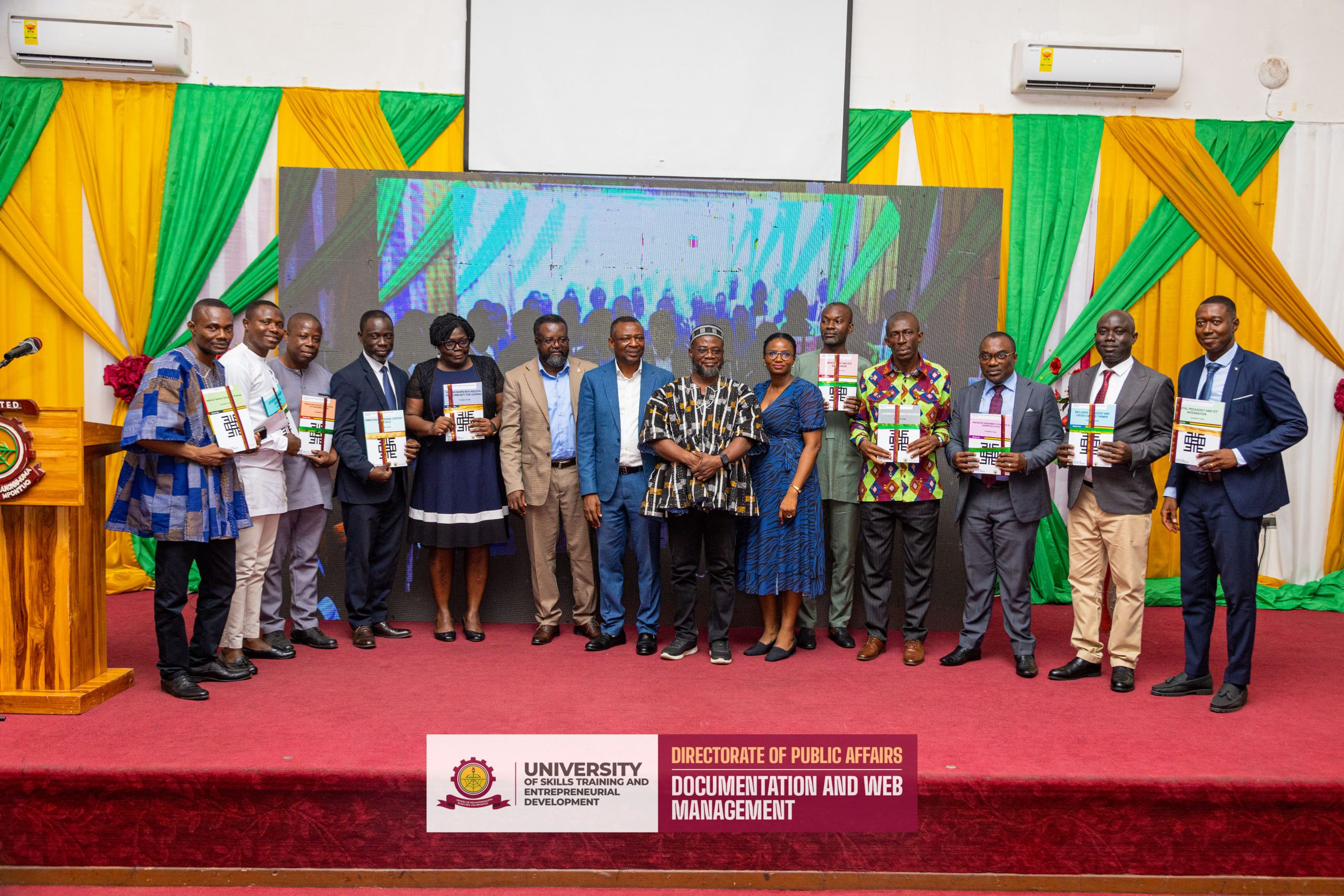
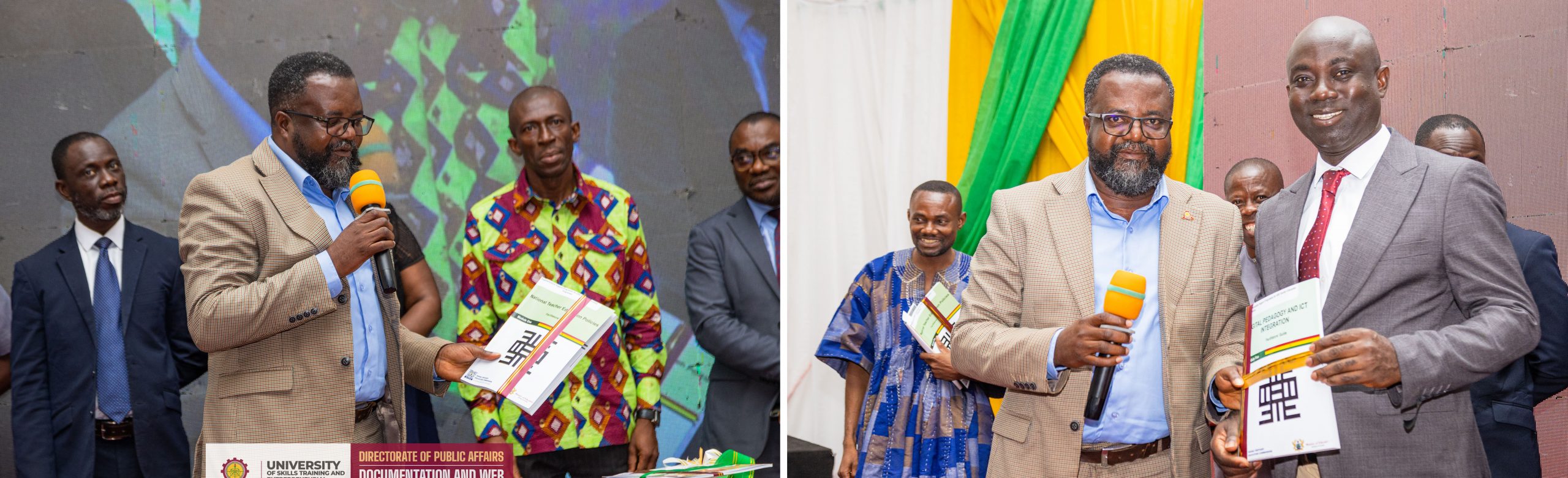
Welcoming participants to the official launching, on behalf of the Vice-Chancellor of USTED, Prof. Frederick K. Sarfo, the Pro Vice-Chancellor, Prof. Isaac Boateng explained that the capacity-building programme had been structured around ten (10) critical thematic modules including National Teacher Education Policies, Translating B.Ed Curriculum for Outcome-Base Learning, Learner-Centred Pedagogy, Inclusive Pedagogy and Cross-Cutting Themes, and Digital Pedagogy and ICT Integration.
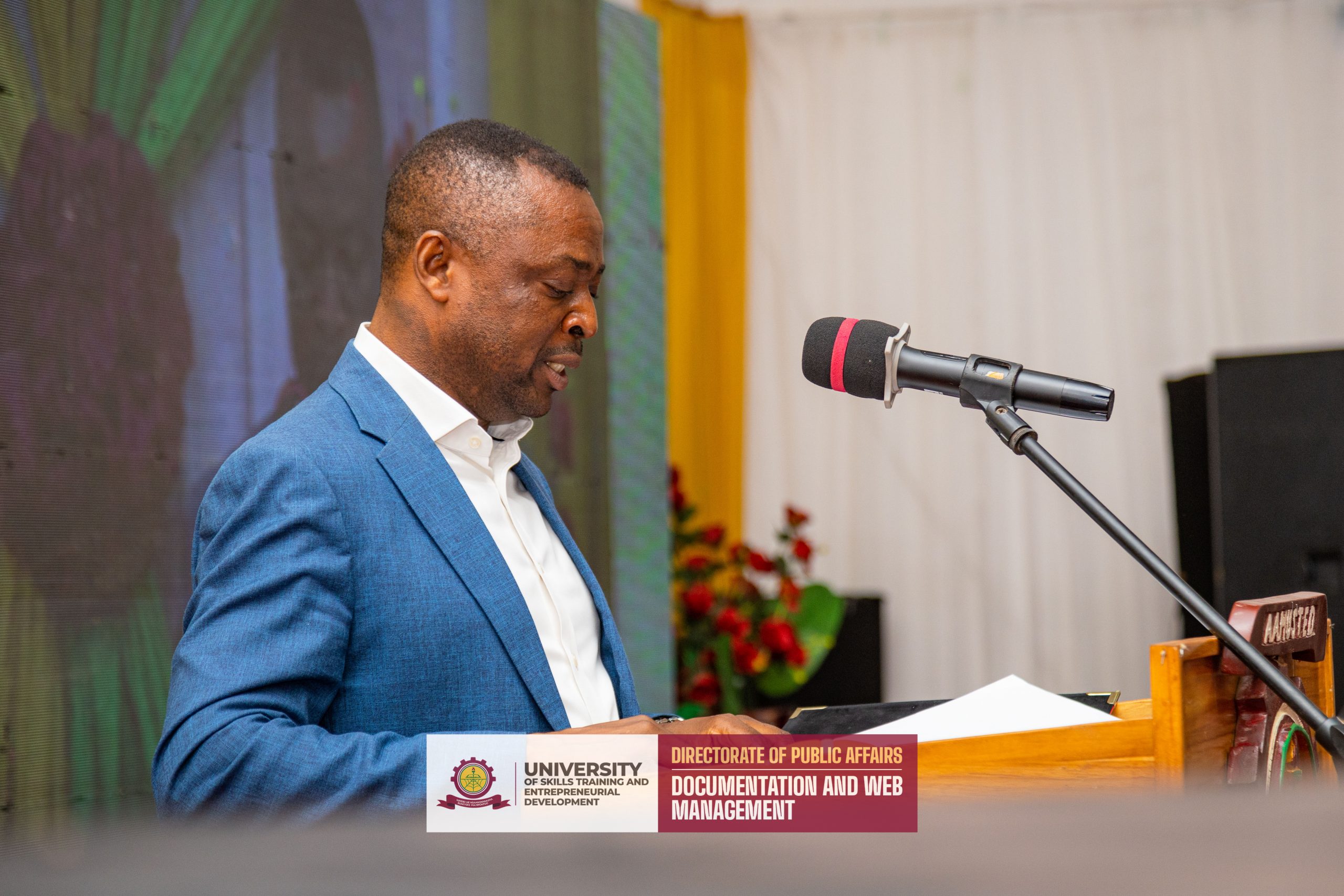
The others are Innovative Assessment Strategies in Higher Education, Emerging Content and Tools, Partnerships with Industry and Community, Mentorship and Supported Teaching in Schools (STS), Student Support Systems andServices.
“These thematic areas reflect the evolving demands of the 21st century education and recognize that the teacher of today must not only possess strong subject knowledge but must also demonstrate pedagogical creativity, digital competence, inclusivity, mentorship capacity, and the ability to support the holistic development of learners,” he explained.
The Vice-Chancellor was grateful to the Ministry of Education (MoE), GTEC, and the Transforming Teacher Education and Learning (T-TEL) for their commitment to strengthening teacher education in Ghana.
He also highly commended the staff of USTED for their hard work in spearheading the development of the B.Ed. programmes, capacity-building manuals, and implementation planning. Through their efforts, he noted, USTED now has 29 new B.Ed. programmes that are being implemented with excellence.
The Technical Specialist and Advisor at T-TEL and NTECF, Prof. Eric Daniel Ananga, who delivered the key note address, stressed the need for teacher education universities to commit to recalibrating their programmes to fully align with the Competency-Based Curriculum that is being rolled out in the Senior High Schools.
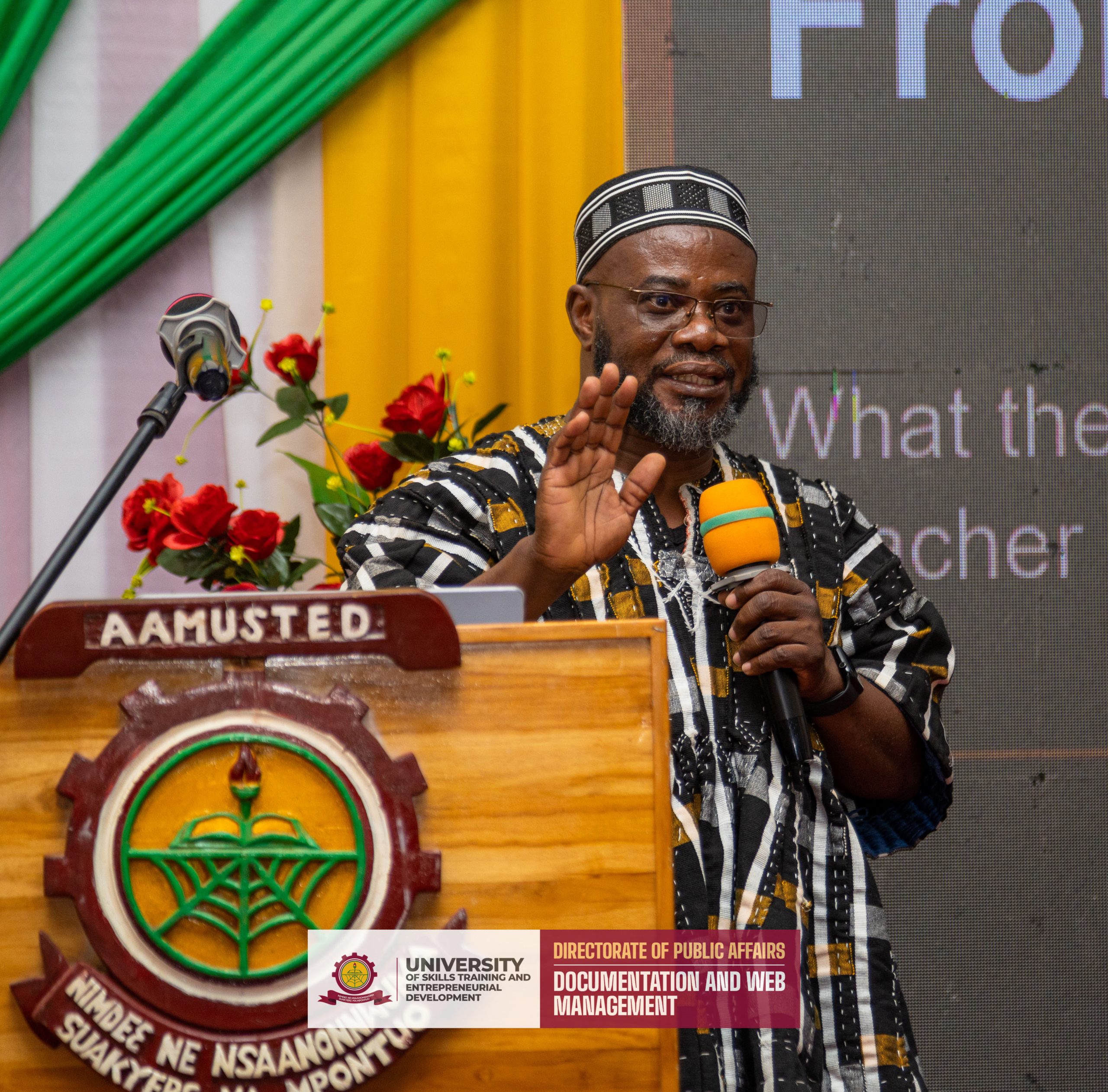
In that regard, he encouraged the participants to adopt a more proactive assessment regime, active pedagogies like learner-centred and inquiry-based teaching, collaboration, and creativity during the design and implementation of programmes and course outlines.
The Principal of the Asante Mampong Campus of USTED, Prof. Dr. Isaac Abunyuwah, did the official launch of the new Capacity-Building Programme.
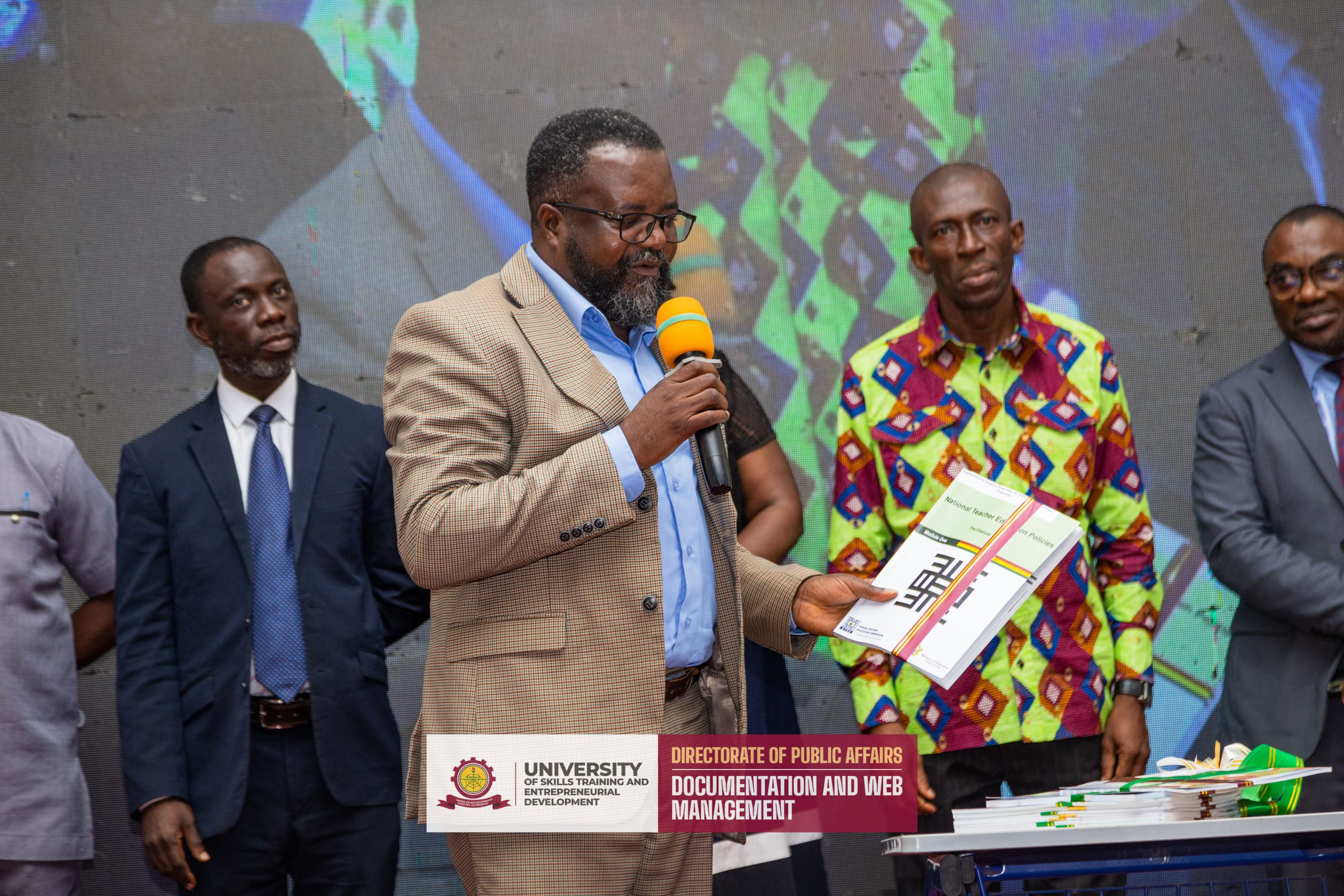
The Dean of Student Affairs, Prof. Francis Ohene Boateng, who is the lead facilitator on the Capacity Building Programme, presented the training schedule and called on staff of the University to avail themselves during the facilitation and be abreast of the demands and resources for the new programmes.
Gallery